
Head & Neck Cancer
What is head and neck cancer?
Head and neck cancer refers to cancers that develop in the mouth, throat, voice box, nose, sinuses, or salivary glands. The symptoms can vary depending on the type of cancer, but some common ones include finding it hard to eat or speak or noticing a lump or swelling in your face or neck. We understand that a new diagnosis can feel overwhelming – our specialist multidisciplinary team (MDT) provides diagnosis, treatment, and ongoing support for people affected by these cancers.
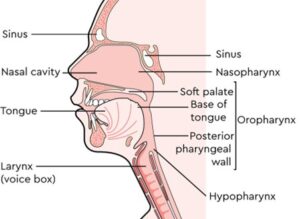
Your specialist team includes
Clinical nurse specialists
A Head and Neck Cancer Nurse Specialist is a highly trained nurse who supports patients throughout their cancer journey. They act as a key point of contact, providing information, emotional support, and practical advice from diagnosis through treatment and follow-up. They also help coordinate care between different specialists and ensure patients’ concerns and symptoms are recognised and managed promptly.
Additional clinical information before or after hospital appointments:
Contact your Clinical Nurse Specialist via the Cancer Navigation Hub – Telephone 0300 123 1600.
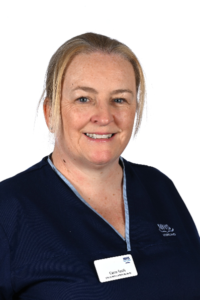 |
| Caron Smith |
Head and neck surgeons
A Maxillofacial Surgeon for Head and Neck Cancers is a specialist doctor who performs surgery to remove cancers in the mouth, jaw, face, and neck. They reconstruct tissues and help restore appearance and function, working closely with other cancer specialists to provide comprehensive care.
An ENT (Ear, Nose and Throat) Surgeon for Head and Neck Cancers is a specialist doctor who diagnoses and surgically treats cancer in the throat, voice box, nose, sinuses and related structures. They work with a multidisciplinary team to remove tumours and help preserve function like speech, breathing and swallowing.
 |
| Mr Tom Handley |
Clinical oncologists
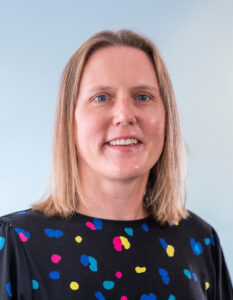
A Clinical Oncologist for Head and Neck Cancers is a doctor who treats cancer using radiotherapy and/or chemotherapy. They plan and oversee treatment, monitor response, and manage side effects, working closely with surgeons and other specialists to provide coordinated care.
 |
 |
 |
 |
| Dr Joanna Mackenzie | Dr David Noble | Dr Anna Cowell | Dr Karen Mactier |
Speech and language therapists
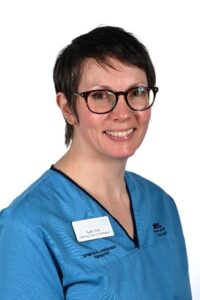
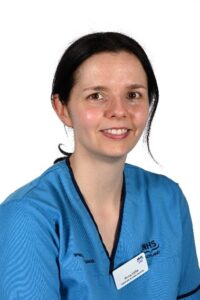
A Speech and Language Therapist (SLT) for Head and Neck Cancers is a specialist who helps patients recover and maintain speech, swallowing, and communication after cancer treatment. They assess difficulties, provide exercises, and support safe eating and drinking.
 |
 |
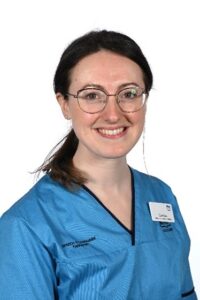 |
| Kate Toft | Shona Miller | Jillian Ross |
Dieticians
A Dietician for Head and Neck Cancer is a specialist who helps patients maintain nutrition and healthy weight before, during, and after treatment, addressing swallowing difficulties, taste changes, and treatment-related side effects.
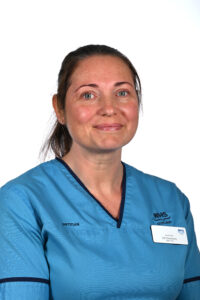 |
| Jill Docherty |
Dentists
A Dentist in Head and Neck Cancer Care helps maintain oral health before, during, and after treatment, managing teeth, gums, and mouth issues to prevent complications from cancer therapies.
Radiologists and pathologists
Radiologist (Head and Neck Cancer): A doctor who uses imaging tests like CT, MRI, and PET scans to detect, stage, and monitor head and neck cancers.
Pathologist (Head and Neck Cancer): A doctor who examines tissue samples under a microscope to confirm the diagnosis, identify the cancer type, and guide treatment.
Therapeutic radiographers
A Therapeutic Radiographer for Head and Neck Cancer is a specialist who plans and delivers radiotherapy treatments, ensuring the radiation targets the cancer accurately while protecting healthy tissue.
 |
| Charlotte Hamilton |
Together, we plan and deliver personalised treatment for every patient.
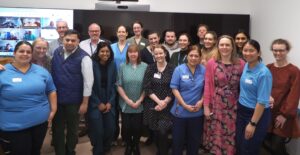
View video below for further information on staff roles supporting your care;
Cancer Care Videos – Edinburgh Cancer Centre Edinburgh Cancer Centre
Practical Information on coming to hospital
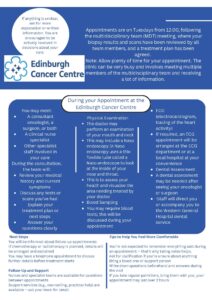
How can I get to my appointments?
- Information for Edinburgh Cancer Centre WGH
- Information for Other Sites (The Royal Infirmary of Edinburgh, St John’s Hospital, Lauriston Building)
Is patient transport available?
Having a hospital or clinic appointment does not mean that you automatically qualify for ambulance transport. To find out if you are eligible, please call 0300 123 1236 for assistance, ideally with 10 days’ notice. Going to Hospital
Where can I park?
The main car park is near the outpatient entrance, with disabled spaces available. Parking can be busy; allow extra time and consider public transport where possible. Finding Us
How do I find directions to departments?
Download the relevant site map.

Can I claim travel expenses?
Having a hospital or clinic appointment does not mean that you automatically qualify for travel expenses. Support may be available if you are in receipt of certain government benefits. Contact your local Macmillan ICJ Team at 0131 537 1500 or visit Lothian Improving the Cancer Journey.
- Macmillan Cancer Information and Support Service at the Western General Hospital, Edinburgh – Cancer Care Map
- Health and well-being services
- Macmillan guide on eligibility and claiming expenses
Where can I stay if I’m coming from out of area and feel unwell or cannot travel daily?
Your clinical team will advise if you are eligible for funded accommodation close to your treatment centre. Accommodation options can be found near the hospital. Speak with the Cancer Navigation Team for guidance. If using web-based search engines see post codes below-
- Western General Hospital EH4 2XU
- St John’s Hospital EH54 6PP
- Edinburgh Royal Infirmary EH16 4SA
Please note, if you are travelling out of area, you may be advised to remain in hospital longer, than if you live local to the treating hospital.
Is there a coffee shop or somewhere to eat?
Yes, refreshments are available. Facilities and Your Visit
Treating head and neck cancer
Treatment often involves a combination of the following;
- Surgery- can be used for diagnosis or treatment for certain Head & Neck Cancers
- Radiotherapy – high-energy rays to treat cancer.
- Chemotherapy – anti-cancer (cytotoxic) drugs to destroy cancer cells.
Immunotherapy – a type of cancer treatment that helps your own immune system find and attack cancer cells. It works differently from chemotherapy or radiotherapy, which act directly on the cancer.
Click the below link for more generic information on treatment types
Treatment and Therapies – Edinburgh Cancer Centre Edinburgh Cancer Centre
Visit the NHS Inform: It’s Ok to Ask website for more information to prepare for your treatment discussion.
Staff will ask ‘what matters to you’ to help you come to a decision when agreeing on a treatment plan.
Surgery – you will be provided with bespoke information for your particular surgery by your Clinical Nurse Specialist
Radiotherapy – Radiotherapy Information for H&N patients
Completion of radiotherapy treatment booklet
Chemotherapy – You will be provided with written information for your specific chemotherapy drugs by your Clinical Nurse Specialist
Immunotherapy – You will be provided with written information for your specific Immunotherapy drugs by your Clinical Nurse Specialist.
Your team will discuss your treatment options and agree a personalised plan with you.
Who do I contact if i become unwell?
Additional support before or after clinic appointments:
Ask for patient information leaflets or speak to support staff.
Additional clinical information before or after hospital appointments:
Contact your Clinical Nurse Specialist directly or via the Cancer Navigation Hub – Telephone 0300 123 1600.
Unwell during and after Oncology treatment up to 6 weeks from the end of treatment.
Call the Cancer Treatment Helpline on 0800 917 7711. If outside Scotland, go to your nearest A&E.
Unwell after Surgery or 6 weeks post Oncology treatment:
If related to your cancer or treatment, call the Cancer Navigation Hub on 0300 123 1600.
Unwell but unrelated to cancer:
Contact your GP or NHS 24.
Preparing for Treatment: Looking After Your Health
Dental Health
Treatment for head and neck cancer may include radiotherapy, chemotherapy, surgery, or a combination of these. These treatments can:
- Reduce saliva (causing a dry mouth)
- Make the mouth sore or painful
- Weaken the jawbone
- Increase the risk of tooth decay and gum disease
Because of this, it’s very important that your teeth and gums are as healthy as possible before cancer treatment starts. This helps prevent dental problems that could delay or interrupt your cancer treatment.
Before you begin treatment, you will be seen by the hospital dental team. They are specially trained to manage dental problems linked to cancer treatment and work closely with your cancer care team and your own dentist.
It is very important that you are registered with a local dentist so you can continue to have regular dental check-ups after treatment.
If you are not registered, please do so as soon as possible by visiting the below website;
https://services.nhslothian.scot/dentists/how-to-register-with-a-dentist/
Eat Well to Support Your Body
It is important to maintain a healthy balanced diet, unless you have been given advice from your clinical team
- Eating a healthy, balanced diet can help maintain your strength, energy levels, and general wellbeing. This is especially important before treatment starts. Eating well and keeping active during and after cancer treatment | Macmillan Cancer Support
- Macmillan Cancer Support offers advice and videos on eating well around the time of treatment. https://www.royalsurrey.nhs.uk/dietandcancervideos
Keeping Active
Light activity, such as short walks or simple household tasks, can help improve your fitness, reduce stress, and support recovery.
Being active before treatment may help reduce side effects and improve how well you tolerate treatment.
Macmillan Cancer Support provides clear guidance on being active before, during and after cancer treatment. [macmillan.org.uk]
Prehabilation
You may be offered an appointment to engage with a prehabilation service.
This helps people with cancer get ready for treatment by improving physical and emotional health through exercise, nutrition and wellbeing. The aim of this is to improve readiness for and tolerance of treatments, and improve recovery and/or quality of life.
- If you have been offered an appointment, you will receive NHS Lothian Prehabilation leaflet from your Head & Neck CNS or dietitian
- General prehabilation is available to any patient waiting on treatment at Maggie’s, please click link for more information –
Prehabilitation – getting ready for treatment | Maggie’s
Lifestyle Choices That Support Your Treatment and Recovery
Certain lifestyle choices can help your body cope better with treatment and support your recovery. You don’t need to make big changes all at once — even small, manageable steps can make a meaningful difference. Your team is here to support you throughout.
Smoking/ Vaping / Recreational Drug Use – Support Is Available
- Smoking or vaping can reduce the effectiveness of treatment and slow healing. Your clinical team can help you explore nicotine replacement or support programmes.
- Stopping smoking can help your body cope better with treatment, improve outcomes, and benefit your overall health.
- All NHS sites are Smoke Free, meaning smoking is not permitted anywhere on NHS grounds. Support is available if this feels challenging.
Free support:
- SMOKELINE – 0800 84 84 84
- Quit Your Way (NHS Scotland): https://www.quityourway.scot
- Support is also available from your pharmacist or your GP.
Alcohol Intake
- Alcohol can interact with some treatments and may affect recovery. Your clinical team can give you personalised advice.
- Reducing alcohol intake can improve your wellbeing and lower health risks during treatment.
General guidance:
- NHS Inform – Alcohol Information: https://www.nhsinform.scot/healthy-living/alcohol
Recreational Drug Use
- If you use recreational drugs or feel you may need support to reduce or stop, please speak to your clinical team — conversations are confidential and focused on your safety.
- If you are already receiving support from an addiction service, please let your Clinical Nurse Specialist know. Sharing contact details helps us keep your care safe, coordinated, and tailored to your needs.
Remember, You’re Not Alone
If you have any concerns about smoking, vaping, alcohol, or recreational drug use, please speak with your clinical team. We are here to listen without judgement and to support you in the ways that feel right for you.
Coping with treatment
Any physical changes you experience may come from the tumour or from the treatment itself. This is normal, and we’re here to help you manage these effects safely and comfortably.
Maintaining Nutrition
The impact on eating and swallowing will be assess and managed by Speech and Language Therapist and Dietitian and will be based on an individual basis
Nutrition Support for People with Head & Neck Cancer
Good nutrition helps with treatment, recovery, and energy levels. Eating can be difficult because of pain, swallowing problems, dry mouth, taste changes, or tiredness. This is very common, and help is always available.
During treatment, nutrition is about:
- Doing your best each day
- Using food, drinks, supplements, or tube feeding if needed
- Adjusting your plan as symptoms change
Your clinical team will give advice tailored to you. For Hints and Tips on Nutrition – Eating Little and Often Boosting Calories
Oral Nutritional Supplement (ONS) Drinks
You may be prescribed supplement drinks if eating food is difficult.
How ONS drinks are used
- As a main source of nutrition when very little food is eaten
- Alongside meals to increase calories and protein
Practical tips
- If taking them with food, have them between meals so they don’t reduce your appetite
- They should not replace meals unless advised
- Your clinical team will review the amount you need
Types of supplements
- Milk‑based or juice‑based
- Fibre‑containing options
- Low‑volume, high‑energy options
Your team will choose what suits your symptoms, preferences, and swallowing needs.
Enteral Feeding – Information for Patients
Pain
Pain can occur due to the tumour or as a side effect of treatments like surgery, radiotherapy, or chemotherapy. Your team will regularly review your symptoms and work with you to create a tailored plan that may include pain‑relieving medications and supportive therapies, helping you stay comfortable and maintain your daily activities as possible.
Wounds and Skin Care
After head and neck surgery or cancer treatment, your skin may become more delicate and sensitive. Gentle, daily skin care is important to support healing, reduce irritation, and protect the areas affected by surgery or radiotherapy.
Your clinical team — including the Community Treatment and Care (CTAC) team, who provide wound care and dressing support once you are home — will guide you on how to care for your skin and any wounds. They can advise you on suitable cleansers, moisturisers, sun protection, and scar‑care products to help keep your skin comfortable throughout your recovery.
If you are unsure about any products, or if you notice changes such as increased redness, discomfort, or broken skin, please contact your clinical team for advice.
Emotional and Psychological Support
Your Clinical Nurse Specialists and wider Head and Neck team will work with you and your family to support recovery and wellbeing throughout your diagnosis, treatment and follow up.
For those seeking self help websites and APPS we have includes Websites and Apps into the Resources section.
If you need to discuss with a member of your healthcare team, please contact your Clinical Nurse Specialist via the Cancer Navigation Hub on 0131 123 1600
Click on the link – Maggie’s | Everyone’s home of cancer care to find out how Maggie’s centres can provide additional support
After Treatment
After your treatment has finished, you will have regular follow‑up appointments for several years. At these visits, your specialist will check your head and neck carefully. This surveillance is the most important part of your follow‑up. You may also have scans from time to time.
It can take a few months for treatment side effects to settle. Please let your Clinical Nurse Specialist know if you have:
- side effects or symptoms that are not improving
- any new symptoms that do not get better within 2 weeks
Your nurse will explain what changes to look out for after treatment. These may include:
- a new ulcer or sore that does not heal
- a new lump in your neck
- new pain
- difficulty swallowing
- changes in your speech
If you notice any new symptoms or side effects, you do not need to wait until your next appointment.
Please contact your Clinical Nurse Specialist via the Cancer Navigation Hub on 0300 123 1600
Who to contact if I become unwell?
- Unwell during and after Oncology treatment up to 6 weeks from the end of treatment?
Call the Cancer Treatment Helpline on 0800 917 7711. If outside Scotland, go to your nearest A&E.
- Unwell after Surgery or 6 weeks post Oncology treatment?
If related to your cancer or treatment, call the Cancer Navigation Hub on 0300 123 1600.
- Unwell but unrelated to cancer?
Contact your GP or NHS 24
Resources
- The Swallows Head and Neck Cancer Support Group
- Head and neck cancer | Macmillan Cancer Support
- Cancer Research UK – Head and Neck Cancer
- Changing Faces
- Salivary Gland Cancer
- RIG videos

- Peter Harvey – After the treatment finishes – then what
- Completing Radiotherapy – Information for Head & Neck patients
- Radiotherapy information for Head & Neck patients
- Cancer Card | Find Cancer Support Services Scotland & UK – Cancer Card
- Maggie’s | Everyone’s home of cancer care
- A Practical Guide to Tube Feeding for Adults– step-by-step guidance on feeding routines, equipment, and common questions
- Living with Your Feeding Tube– general information about NG tubes and feeding methods
- NG Tube Advice Leaflet– explains daily care, how to check your tube is in the correct position, and important safety advice
Websites for emotional and psychological self-help:
- Moodjuice
- Get Self Help
- Mind
- Anxiety UK
- Young Minds
- Samaritans (tel number: 116 123)
Apps
- SAM: Self-Help for Anxiety Management App with relaxation guides. Divides anxiety into thoughts, feelings, sensations. Guides for physical relaxation and breathing
- Headspace: App for guided meditation and relaxation
- What’s Up? App to help with breathing, recognising thinking patterns, keeping thought diaries and includes positive quotes
- Pacifica: App for anxiety including mood tracker, thought record, daily challenges, relaxation
- Worry Box
NB – Please be aware that the apps are recommended based on their content rather than any forums to which they may be connected
Patient story
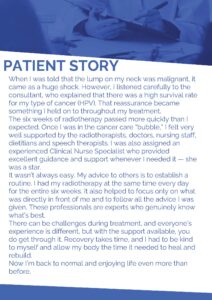
Darling, I’m just happy tae be here to see ye grow
As we celebrate 300 years of the Edinburgh Medical School, it feels right to think about what medicine ultimately means. Behind the history, the discoveries and advances in treatment are people: patients, families and the doctors and healthcare professionals who care for them.
Michael Pedersen’s poem, Darling, I’m just happy tae be here to see ye grow, brings us into one of those deeply human spaces. The poem reflects on this mother’s experience of cancer treatment, but at its heart it is about something much bigger – love, vulnerability, hope, and the preciousness of simply being here. We hope you agree.
Frequently asked questions
For Head and Neck Cancer Frequently Asked Questions (FAQs), please click here.